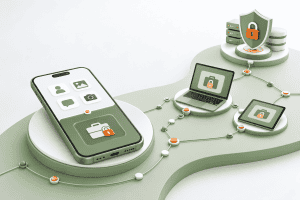
Every year, countless small to medium-sized businesses (SMBs) face crippling cyber attacks that threaten their operations and financial stability.
Accenture’s Cybercrime study reveals that 43% of cyberattacks target small businesses.
Without adequate cybersecurity measures, these businesses are vulnerable to data breaches, financial loss, and reputational damage.
As Sebastian Abbinanti, President of The Isidore Group says, “Ensuring strong cybersecurity is no longer optional but a critical necessity for SMBs striving to protect their critical data and maintain trust with their clients.”
This blog explores effective strategies and tools that SMBs can utilize to bolster their cybersecurity defenses and mitigate risks.
Understanding the Landscape of SMB Cybersecurity
Cybersecurity for SMBs is about safeguarding your business’s digital frontier against unauthorized access and cyber threats. Many SMBs underestimate the sophistication of cyber attackers and the extent of the damage they can inflict.
Research shows that 60% of small businesses that are victims of a cyberattack go out of business within six months.
Recognizing the Vulnerabilities
SMBs often lack the security infrastructure of larger corporations, making them attractive targets for cybercriminals. The primary vulnerabilities include:
- Lack of employee cybersecurity training
- Inadequate security measures
- Outdated software systems
- Weak passwords and authentication processes
By recognizing these vulnerabilities, SMBs can take proactive steps to enhance their cybersecurity posture.
Stop Being Anxious About Cyber Threats.
Enhance your defenses with The Isidore Group’s cybersecurity expertise.
Key Components of an SMB Cybersecurity Strategy
To defend against cyber threats, SMBs must develop a comprehensive cybersecurity strategy that includes several critical components:
1. Regular Software Updates
Regular software updates are vital in shielding your systems from known security threats. Keeping your applications and operating systems updated ensures you are protected against the latest vulnerabilities that cybercriminals exploit.
2. Strong Passwords and Multi-Factor Authentication (MFA)
Implementing strong, unique passwords combined with multi-factor authentication greatly enhances security. This approach adds an extra layer of defense, making it much harder for attackers to gain unauthorized access to your business’s systems.
3. Employee Training
Considering that 95% of cybersecurity breaches are due to human error conducting regular cybersecurity training for employees is essential. This training should educate them about the latest cybersecurity threats and the best prevention practices. Empowered employees are your first line of defense against cyber attacks (including DDOS attacks), as noted by CloudSecureTech in their recent study.
4. Antivirus Software and Firewalls
Utilizing antivirus software and firewalls forms the foundation of your cybersecurity defenses. These tools help to detect, deter, and destroy malicious software and protect your network from unauthorized access and attacks.
5. Separate User Accounts
Creating separate user accounts for each employee helps to control access to sensitive information and systems. This practice limits the damage that can be done if an account is compromised, as it restricts access based on individual user roles.
Implementing Cybersecurity Measures
Implementing effective security measures requires strategic planning and technical solutions. SMBs should consider the following steps to enhance their cybersecurity:
1. Conduct Regular Security Audits
Regular security audits are essential for identifying potential vulnerabilities in your network and cybersecurity defenses. These audits provide insights into areas that need improvement and help ensure that your security measures are up-to-date and effective in protecting your business.
2. Develop a Cybersecurity Plan
A comprehensive cybersecurity plan outlines the steps your business will take to prevent, detect, and respond to cyber incidents. This plan ensures a structured and quick response to security breaches, minimizing potential damage and downtime.
3. Backup Critical Data
Regular backups of critical data are a cornerstone of a sound cybersecurity strategy. This practice ensures that, in the event of data loss due to cyber-attacks or other disasters, your business can recover essential data swiftly and continue operations with minimal disruption.
4. Secure Mobile Devices
As mobile devices become integral to business operations, securing them is crucial. Implementing security measures like encryption, secure access protocols, and remote wipe capabilities can protect your business’s sensitive information from unauthorized access through these devices.
| More resources you might like: |
Handling Cyber Attacks
In the event of a cyber-attack, having a clear and effective response plan is crucial. This plan should include:
1. Immediate Isolation of Affected Systems
To minimize the impact of a cyber attack, immediately isolate affected systems from the network. This crucial step prevents the attack’s spread and limits the damage to confined areas, allowing for more controlled and effective mitigation efforts.
2. Communication Protocols
Establish clear communication protocols to inform stakeholders and relevant authorities after a breach promptly. This transparency helps manage the situation effectively, maintaining trust and ensuring regulatory requirements for incident reporting are met.
3. A Recovery Plan
Research shows that 42% of small business owners have no cyberattack response plan. Developing a comprehensive recovery plan is crucial to restore business operations quickly and efficiently after a cyber incident.
This plan should include predefined data restoration and system repair steps, ensuring that business continuity is maintained with minimal operational disruption.
Essential Cybersecurity Solutions Every SMB Should Consider
| Service | Features | Benefits |
| Network Monitoring | 24/7 surveillance, intrusion detection | Early threat detection, reduced risk of significant breaches |
| Email Security | Spam filtering, phishing protection | Protects against email-based threats, enhances data security |
| Endpoint Protection | Antivirus, anti-malware, device management | Secures individual devices, prevents the spread of malware |
| Identity Management | User authentication, access controls | Ensures only authorized access, reduces insider threat risk |
| Incident Response | Rapid response teams, recovery planning | Minimizes downtime, quick recovery from incidents |
| Cloud Security | Data encryption, secure data storage solutions | Safeguards data in the cloud, compliance with regulations |
| Cybersecurity Training | Employee training programs, simulation exercises | Prepares employees and reduces the risk of human error |
The Isidore Group’s Security Expertise for Your Organization
For SMBs, cyber attacks can have a profound impact, threatening operational continuity and customer trust. Implementing a sound cybersecurity strategy is not just about technology but about protecting the very essence of your business.
The Isidore Group provides managed cybersecurity services to organizations with 15 to 200 people and beyond, scoped to each organization’s environment. With our expertise, organizations can fortify their defenses and navigate the complexities of today’s cyber threat landscape.
| Discover Trusted Cybersecurity Services in Chicago |
Schedule a consultation to take the first step toward stronger cyber protection.